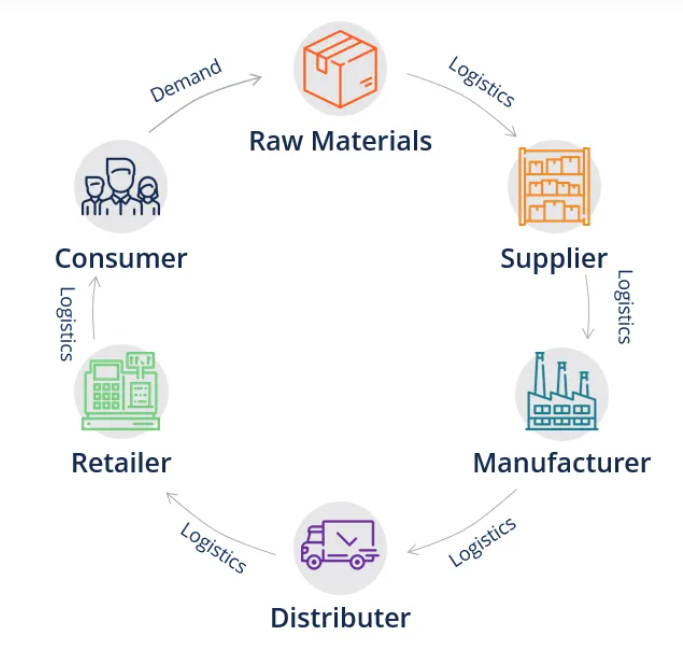
Electric vehicles (EVs) have been making significant strides in recent years, gaining popularity worldwide due to their environmental benefits, technological advancements, and government incentives. This shift towards electric mobility is reshaping the automotive industry, creating new opportunities and challenges for manufacturers, suppliers, and consumers alike.
Key trends in the EV market:
- Increasing adoption: The number of EVs on the road is rapidly growing, driven by factors such as government subsidies, improved battery technology, and rising fuel prices.
- Expanding charging infrastructure: The development of charging stations is crucial for the widespread adoption of EVs. Governments and private companies are investing heavily in building charging networks to address range anxiety concerns.
- Technological advancements: Continuous innovations in battery technology, charging speeds, and autonomous driving capabilities are further driving the EV market.
Impact on the automotive industry:
- Shift in manufacturing: Traditional automakers are investing heavily in electric vehicle production, leading to changes in manufacturing processes and supply chains.
- New market entrants: Several technology companies and startups are entering the EV market, disrupting the traditional automotive landscape.
- Job creation and economic growth: The transition to EVs is creating new jobs in areas such as battery manufacturing, charging infrastructure development, and software engineering.
Future outlook:
The future of electric vehicles looks promising, with continued growth expected in the coming years. As technology advances and infrastructure improves, EVs are poised to become a mainstream transportation option, contributing to a more sustainable and cleaner environment.
Keywords: electric vehicles, EV market, automotive industry, battery technology, charging infrastructure, government incentives, sustainable transportation, climate change, technological advancements, future trends.
Post 2: The Importance of Supply Chain Resilience in Today’s Global Economy
The COVID-19 pandemic has highlighted the critical importance of supply chain resilience. Disruptions caused by the pandemic have exposed vulnerabilities in global supply chains, leading to shortages, delays, and increased costs. To mitigate risks and ensure business continuity, it is essential for companies to prioritize supply chain resilience.
Key factors for building a resilient supply chain:
- Diversification: Relying on a single supplier or region can increase risks. Diversifying your supply chain helps mitigate disruptions caused by geopolitical events, natural disasters, or economic downturns.
- Risk assessment: Conduct regular risk assessments to identify potential vulnerabilities in your supply chain. This can help you develop contingency plans and take proactive measures to address risks.
- Inventory management: Maintain optimal inventory levels to avoid stockouts or excess inventory. Effective inventory management can help mitigate disruptions and reduce costs.
- Strong relationships: Building strong relationships with suppliers and logistics partners is crucial for ensuring a reliable and efficient supply chain.
- Technology adoption: Leveraging technology, such as supply chain management software and real-time tracking systems, can improve visibility and responsiveness.
Best practices for supply chain resilience:
- Develop contingency plans: Have backup plans in place to address potential disruptions, such as sourcing alternative suppliers or finding alternative transportation routes.
- Foster collaboration: Collaborate with suppliers and logistics partners to improve communication and coordination.
- Invest in technology: Implement advanced technologies to enhance supply chain visibility, efficiency, and resilience.
- Monitor global trends: Stay informed about geopolitical events, economic indicators, and industry trends that could impact your supply chain.
By prioritizing supply chain resilience, businesses can mitigate risks, improve operational efficiency, and ensure business continuity in an increasingly uncertain global environment.